Farnborough Airshow 2026 B2B as a barometer for dual use industry shifts
Farnborough International Airshow 2026 B2B is shaping up less as a traditional aviation showcase and more as a live stress test for cross sector business models. The exhibition space at Farnborough International has sold out twice, with organisers adding a sixth hall of around 5 000 square metres that also filled, signalling intense demand from aerospace, aviation, space and adjacent technology companies. For senior decision makers in the United Kingdom and beyond, this international airshow has become a concentrated view of how aerospace, defence and data driven services are converging into one integrated business arena.
The headline statistic is the 22 percent of first time exhibitors, many of them focused on AI, emerging technology, aviation finance and supply chain logistics rather than classic aerospace manufacturing. That shift changes the centre of gravity of the event, because these companies arrive with product service portfolios that cut across aerospace defence, fintech, cyber, and logistics, and they expect meetings that lead to multi sector business development rather than single platform deals. As a result, participants will see a programme of trade events, private meetings and curated networking opportunities that looks closer to a cross industry technology summit than a pure airshow leading on static aircraft displays.
Commercial and defence security interests are also rebalancing, with the long standing 60 to 40 commercial to defence ratio moving toward a 50 to 50 split across the halls. That change reflects how dual use technologies in AI, communications, and surveillance are now central to both civil aviation and defence procurement, and it brings industry government delegations into closer contact with private sector buyers investors on the same show floor. For B2B strategists, that means access to industry players from both sides of the aerospace defence divide in a single event, compressing months of bilateral meetings into a few days of structured and informal encounters.
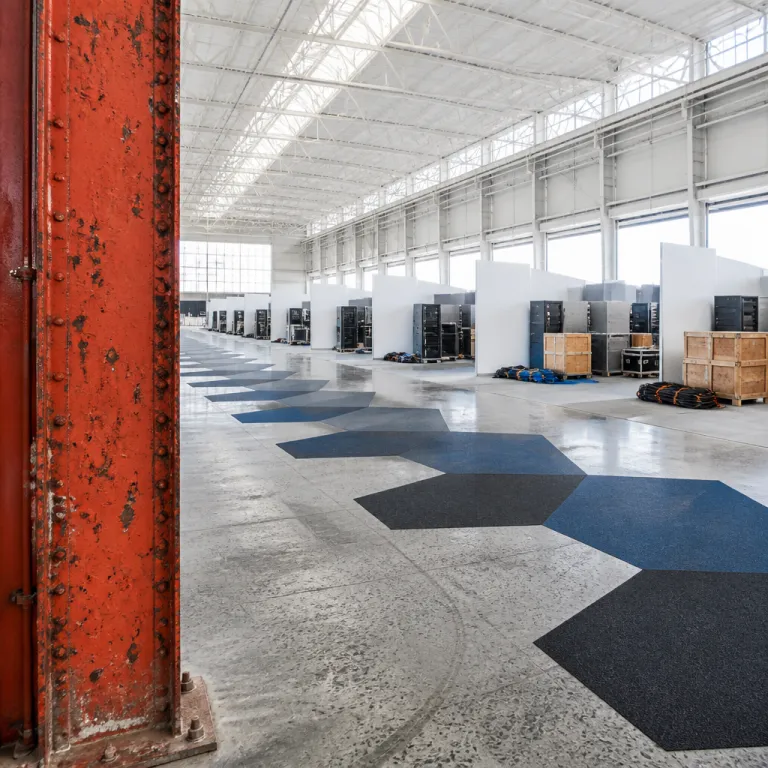
The physical layout of the site underlines this strategic pivot, with the new hall extending the spine of the exhibition along Etps Road and deeper into the Centre Etps zone near the main chalets. Companies using the road Farnborough campus as their base will find that the sixth hall effectively creates a second core for business meetings, where AI vendors, supply chain platforms and aviation finance specialists sit alongside traditional airframe and engine primes. That proximity is likely to generate unplanned business opportunities as members of different clusters cross paths between sessions, rather than staying siloed in separate parts of the site.
International participation is another structural factor, with around 63 to 64 percent of exhibitors coming from outside the United Kingdom and 28 national pavilions expected. For UK based buyers investors, that density of international trade representation offers access exclusive to a wide range of product service options, from satellite constellations and space launch services to predictive maintenance software and digital twins. In practical terms, the international mix means that industry players can benchmark pricing, capability and delivery models across multiple jurisdictions in a single event, rather than stitching together fragmented insights from smaller regional shows.
AI exhibitors, under 21 access and the new B2B talent and data playbook
The surge of AI focused exhibitors at Farnborough Airshow 2026 B2B is not just a technology story, it is a structural shift in how business events capture and monetise data. These AI companies treat the international airshow as a live laboratory for training models on real world aerospace, defence and space use cases, while also using the event to test new product service combinations with high value industry players. For organisers and exhibitors alike, the result is a richer dataset on buyer intent, partnership appetite and cross sector demand than most stand alone technology events can generate.
Underpinning this shift is a more deliberate approach to who gets access and how that access is managed across the programme. Free entry for all visitors under 21 is being positioned as a long term talent pipeline strategy for the aerospace and aviation industry, but it also expands the pool of digital native participants who are comfortable engaging with AI driven tools, apps and matchmaking platforms on site. For B2B leaders, that younger cohort of participants will influence how future events are designed, from the structure of meetings to the way business opportunities are surfaced through recommendation engines and real time analytics.
For non aerospace sectors, the Farnborough International model offers a template for blending trade show scale with data rich engagement formats. Retail, manufacturing and logistics organisers in the United Kingdom are already watching how AI exhibitors at this event structure their demos, capture consented data and convert networking opportunities into measurable business development pipelines. The same logic is starting to appear at specialist forums such as the Event Technology Forum, where a recent analysis on how event technology is rewriting the MICE sourcing playbook for UK buyers shows similar patterns of AI enabled sourcing and contracting.
International pavilions add another layer to this data centric approach, because they bring together clusters of companies, government trade agencies and industry government delegations under one coordinated umbrella. That structure allows decision makers to run tightly scheduled meetings with multiple members of a national ecosystem, comparing product service offerings and partnership models in a compressed timeframe. For AI exhibitors, it also creates a ready made test bed for solutions that need both corporate and government adoption, such as border security analytics, air traffic optimisation or defence security decision support tools.
For senior executives used to more traditional trade events, the presence of AI, fintech and supply chain platforms at an airshow leading on aerospace and defence may feel like a departure. In reality, it signals a broader convergence where business events become multi domain marketplaces, and where access exclusive to the right data and relationships matters more than the physical hardware on display. The lesson for other organisers is clear, as shown by guides such as the one on securing free expo passes for major consumer trade shows ; the real competitive edge lies in curating who attends, how they connect and what long term value they extract.
Exhibition demand, security constraints and what Farnborough signals for H2 B2B calendars
The fact that Farnborough International Airshow 2026 B2B sold out its exhibition space twice, even after adding a sixth hall, is a clear indicator of pent up demand for large scale, face to face events in the second half of the business year. Organisers report that this will be the largest event in the show’s 78 year history, a data point that matters for C suite planners weighing whether to prioritise flagship international events over smaller regional meetings. For the wider B2B ecosystem, that level of demand suggests that hybrid formats have not replaced the need for concentrated, in person trade platforms where complex aerospace defence and aviation deals can be negotiated.
Security and compliance constraints are also shaping who can participate, with Russian and Iranian firms prohibited under United Kingdom government restrictions. That policy narrows the pool of participants in some defence security segments, but it also gives buyers investors and industry government delegations clearer parameters for engagement and export control compliance. For companies planning their presence, it means that email protected contact channels, vetted delegate lists and pre cleared meetings are no longer optional extras but core elements of risk managed business development.
Other sectors are already drawing lessons from this model, particularly around how to manage oversubscribed events and still maintain high quality networking opportunities. Transport and logistics shows, for example, are looking at Farnborough’s approach as they plan their own large format gatherings, with analysts pointing to playbooks similar to those outlined in guidance on professional access strategies for major trucking expos. The underlying message is that when an event reaches this scale, organisers must shift from selling square metres to orchestrating curated access, ensuring that participants will leave with a smaller number of higher value contacts rather than a long list of low intent leads.
From a site logistics perspective, the expansion along Etps Road and deeper into the Centre Etps area will change traffic flows and meeting patterns across the campus. Senior decision makers will need to plan their schedules around the physical distance between the legacy halls, the new sixth hall and the chalet lines, especially when back to back meetings involve both commercial aviation suppliers and defence security contractors. For many, the most productive hours may be spent not in formal presentations but in the transitional spaces between halls, where unplanned encounters with international industry players can unlock unexpected business opportunities.
Looking beyond aerospace, the Farnborough template is likely to influence how other international trade events in the United Kingdom structure their programmes, from manufacturing and energy to fintech and supply chain. The combination of sold out exhibition space, a diversified exhibitor base, strict security parameters and a deliberate talent pipeline strategy offers a blueprint for resilient B2B event design. For senior leaders, the metric that will matter most after the airshow is simple ; not the badge scan count, but the deal that followed.